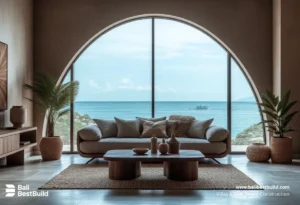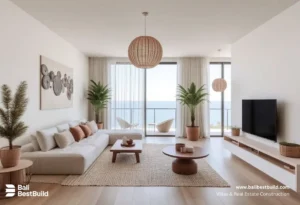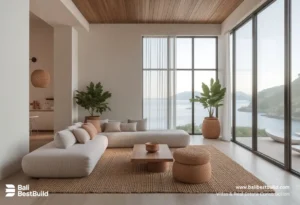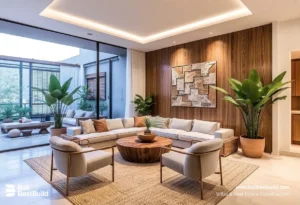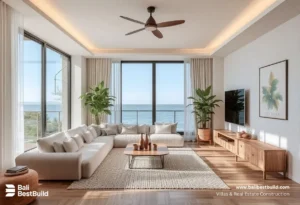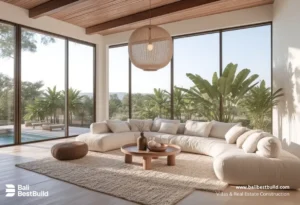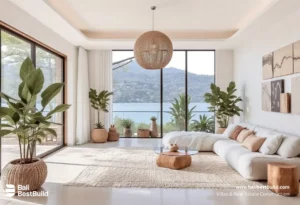
Balinese home design is a unique and beautiful style that reflects the rich cultural heritage of the Indonesian island of Bali. Known for its stunning natural landscapes, vibrant arts and culture, and warm hospitality, Bali has long been a popular destination for travelers seeking a taste of paradise. The island’s traditional architecture and design elements have also gained international recognition for their timeless beauty and unique aesthetic. Balinese home design is characterized by its use of natural materials, intricate carvings, and open-air living spaces that seamlessly blend indoor and outdoor living. This article will explore the traditional elements of Balinese home design, the influences and changes that have shaped it over time, modern trends in Balinese home design, sustainable and eco-friendly approaches, its appeal to the international market, and the future of Balinese home design.
Traditional Balinese Architecture and Design Elements
Traditional Balinese architecture is deeply rooted in Hindu beliefs and rituals, with a focus on creating harmony between the natural and spiritual worlds. One of the most iconic features of Balinese home design is the use of open-air pavilions known as “bale” that serve as living, dining, and ceremonial spaces. These pavilions are often adorned with intricate carvings and ornate details, reflecting the island’s rich artistic traditions. Another key element of Balinese home design is the use of natural materials such as wood, stone, and thatch, which are sourced locally and crafted by skilled artisans. The layout of Balinese homes is also designed to promote a sense of connection with nature, with gardens, courtyards, and water features creating a tranquil and serene environment. Additionally, traditional Balinese homes often feature a series of interconnected pavilions arranged around a central courtyard, creating a sense of privacy and seclusion while still allowing for natural ventilation and light.
The use of traditional architectural elements such as “alang-alang” thatched roofs, intricately carved wooden doors and windows, and ornate stone carvings are all hallmarks of Balinese home design. These elements are not only visually stunning but also serve practical purposes, such as providing natural ventilation and protection from the elements. The use of natural materials also reflects the island’s commitment to sustainability and environmental stewardship. Balinese homes are designed to be in harmony with their surroundings, with an emphasis on creating a sense of balance and tranquility. The result is a style of architecture that is both timeless and deeply rooted in the island’s cultural heritage.
Influences and Changes in Balinese Home Design
Over the years, Balinese home design has been influenced by a variety of factors, including cultural shifts, economic development, and changing tastes and preferences. One significant influence on Balinese home design has been the influx of tourists and expatriates seeking to make Bali their home. This has led to an increased demand for modern amenities and conveniences, as well as a blending of traditional Balinese elements with contemporary design trends. Additionally, the rise of luxury resorts and villas on the island has also had an impact on Balinese home design, with an emphasis on creating high-end, luxurious spaces that cater to discerning travelers.
Another factor that has shaped Balinese home design is the impact of globalization and the increasing interconnectedness of the world. As Bali has become more integrated into the global economy, there has been a growing influence of Western design trends and architectural styles. This has led to a fusion of traditional Balinese elements with modern techniques and materials, resulting in a new wave of contemporary Balinese home design that appeals to a wider audience. Additionally, the rise of social media and digital platforms has also played a role in shaping Balinese home design, with an increased focus on creating Instagram-worthy spaces that are visually stunning and shareable.
Modern Trends in Balinese Home Design
In recent years, there has been a shift towards modernizing Balinese home design while still maintaining its traditional aesthetic. One of the key trends in modern Balinese home design is the use of sustainable materials and eco-friendly building practices. With a growing awareness of environmental issues and a desire to minimize the impact on the natural environment, many architects and designers in Bali are incorporating sustainable features such as solar panels, rainwater harvesting systems, and natural ventilation into their designs. This not only reduces the carbon footprint of the home but also creates a healthier and more comfortable living environment for residents.
Another modern trend in Balinese home design is the integration of smart home technology and innovative design solutions. With advancements in technology, homeowners are now able to control various aspects of their homes such as lighting, temperature, security, and entertainment systems through their smartphones or other devices. This level of convenience and connectivity has become increasingly popular among homeowners in Bali, especially those who are part of the international market. Additionally, there is a growing interest in creating multi-functional spaces that can adapt to different needs throughout the day, such as home offices that can transform into guest bedrooms or outdoor living areas that can be enclosed during inclement weather.
Sustainable and Eco-Friendly Home Design in Bali
As awareness of environmental issues continues to grow, there has been a greater emphasis on sustainable and eco-friendly home design in Bali. Many architects and designers are incorporating green building practices into their projects, such as using locally sourced materials, maximizing natural light and ventilation, and implementing energy-efficient systems. Additionally, there is a focus on creating homes that are in harmony with their natural surroundings, with an emphasis on preserving existing vegetation and minimizing disturbance to the landscape.
One approach to sustainable home design in Bali is the use of passive design principles to maximize energy efficiency and reduce reliance on artificial heating and cooling systems. This includes orienting homes to take advantage of prevailing winds for natural ventilation, using shading devices to minimize heat gain, and incorporating thermal mass to regulate indoor temperatures. Additionally, many homeowners are investing in renewable energy sources such as solar panels or wind turbines to power their homes, reducing their reliance on fossil fuels and lowering their carbon footprint.
Another aspect of sustainable home design in Bali is the use of water conservation techniques to minimize water usage and reduce strain on local water resources. This includes implementing rainwater harvesting systems to collect and store rainwater for non-potable uses such as irrigation or flushing toilets. Additionally, there is a growing interest in using native plants that are well adapted to the local climate and require minimal watering, reducing the need for irrigation systems.
Balinese Home Design for International Market
The appeal of Balinese home design extends beyond the borders of Indonesia, with an increasing number of international buyers seeking out properties on the island. The unique blend of traditional craftsmanship, natural beauty, and modern amenities has made Bali an attractive destination for those looking for a second home or investment property. As a result, there has been a growing demand for luxury villas and high-end residences that cater to the needs and tastes of international buyers.
One key aspect of designing homes for the international market is understanding the preferences and expectations of potential buyers from different cultural backgrounds. While traditional Balinese elements such as open-air pavilions and intricate carvings are highly sought after for their exotic appeal, there is also a desire for modern conveniences such as state-of-the-art kitchens, spa-like bathrooms, and high-tech entertainment systems. As a result, many architects and designers are creating homes that seamlessly blend traditional Balinese elements with contemporary design features to appeal to a wider audience.
Another consideration when designing homes for the international market is ensuring that they meet international standards for quality and safety. This includes using high-quality materials and construction techniques that can withstand the tropical climate and seismic activity common in the region. Additionally, there is a growing interest in creating homes that are low-maintenance and easy to manage from afar, making them ideal for part-time residents or rental properties.
Future of Balinese Home Design
As Bali continues to evolve as a global destination for travelers and expatriates alike, the future of Balinese home design is likely to be shaped by a combination of tradition, innovation, and sustainability. One potential direction for Balinese home design is a greater emphasis on creating self-sufficient homes that minimize reliance on external resources such as electricity or water. This could include incorporating off-grid technologies such as solar panels, wind turbines, and rainwater harvesting systems to create homes that are more resilient and environmentally friendly.
Another potential trend in future Balinese home design is the integration of smart home technology to create more efficient and convenient living spaces. With advancements in automation and connectivity, homeowners will have greater control over their homes through their smartphones or other devices, allowing them to monitor energy usage, security systems, and other aspects of their homes remotely. This level of connectivity will not only enhance the living experience but also contribute to greater energy efficiency and sustainability.
Additionally, there is likely to be a continued focus on creating homes that seamlessly blend indoor and outdoor living spaces to take advantage of Bali’s stunning natural environment. This could include incorporating features such as retractable glass walls, outdoor kitchens, or rooftop gardens to create versatile living spaces that can adapt to different needs throughout the day. The result will be homes that offer a sense of connection with nature while still providing all the comforts and conveniences of modern living.
In conclusion, Balinese home design is a unique blend of tradition, innovation, and sustainability that reflects the rich cultural heritage of the Indonesian island of Bali. With its emphasis on natural materials, intricate carvings, open-air living spaces, and sustainable practices, Balinese home design offers a timeless aesthetic that appeals to both local residents and international buyers alike. As Bali continues to evolve as a global destination for travelers and expatriates, the future of Balinese home design is likely to be shaped by a combination of tradition, innovation, and sustainability as architects and designers seek to create homes that are both beautiful and environmentally responsible.