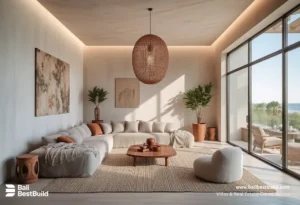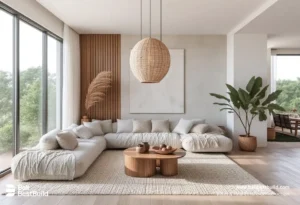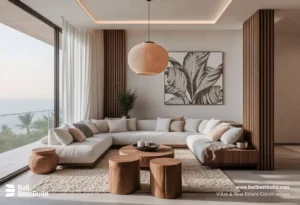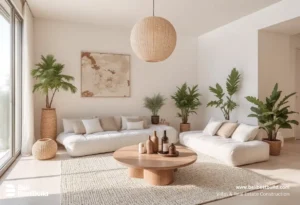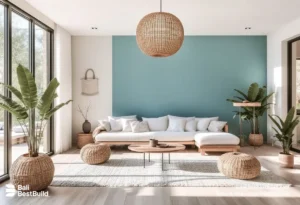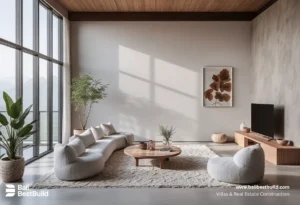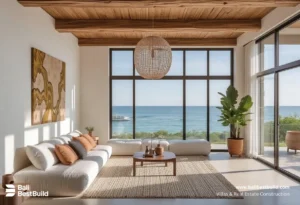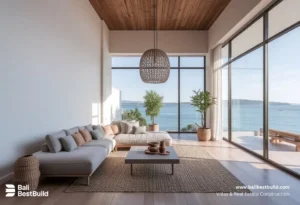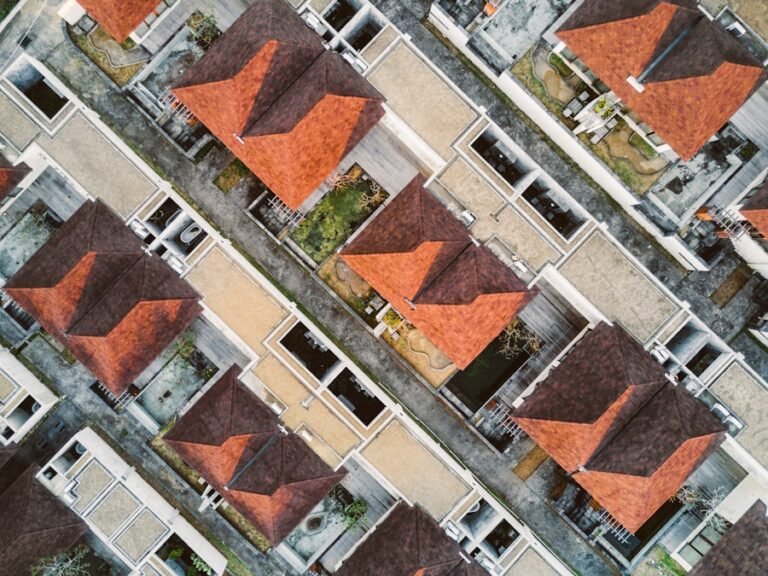
Tropical climates are characterized by high temperatures, high humidity, and heavy rainfall. These conditions can pose challenges for designing and building homes that are comfortable and energy-efficient. Understanding the unique characteristics of the tropical climate is essential for creating a home that is well-suited to its environment.
In tropical climates, temperatures are typically warm year-round, with little variation between seasons. High humidity levels can make the air feel heavy and oppressive, and can also contribute to mold and mildew growth in homes. Heavy rainfall is also common in tropical regions, which can lead to flooding and water damage if not properly managed. These factors must be taken into consideration when designing a home in a tropical climate, in order to create a comfortable and healthy living environment.
Incorporating Natural Ventilation and Airflow
One of the key strategies for designing a home in a tropical climate is to maximize natural ventilation and airflow. This can help to reduce the reliance on mechanical cooling systems, which can be expensive to operate and maintain. By strategically placing windows, doors, and other openings, designers can take advantage of prevailing winds to promote cross-ventilation and create a cooling breeze throughout the home. Additionally, incorporating features such as high ceilings, open floor plans, and operable skylights can help to facilitate the movement of air and promote natural cooling.
Another important consideration for promoting natural ventilation is the use of shading devices to block direct sunlight and reduce heat gain. This can include features such as overhanging eaves, pergolas, and trellises, as well as landscaping elements like trees and shrubs. By providing shade for the exterior of the home, designers can help to keep indoor spaces cooler and more comfortable, while also reducing the need for mechanical cooling. Overall, incorporating natural ventilation and airflow into the design of a tropical home is essential for creating a comfortable and energy-efficient living environment.
Choosing Appropriate Materials for Tropical Environments
When designing a home in a tropical climate, it is important to select materials that are well-suited to the local environmental conditions. This includes choosing materials that can withstand high temperatures, humidity, and heavy rainfall, as well as materials that are resistant to mold, mildew, and pests. Additionally, selecting materials that are locally sourced and sustainable can help to reduce the environmental impact of the home.
One popular choice for tropical homes is to use natural materials such as wood, bamboo, and thatch. These materials are well-suited to the tropical climate, as they are lightweight, durable, and have natural insulating properties. Additionally, using locally sourced materials can help to support the local economy and reduce the carbon footprint of the home. Another important consideration when choosing materials for a tropical home is to select finishes that are resistant to moisture and mold growth. This can include using water-resistant paints and sealants, as well as choosing materials that are easy to clean and maintain.
In addition to selecting materials that are well-suited to the tropical climate, it is also important to consider the environmental impact of the materials used in the construction of the home. Choosing sustainable materials such as reclaimed wood, recycled metal, and low-impact concrete can help to reduce the carbon footprint of the home and minimize its impact on the local ecosystem. By carefully selecting materials that are well-suited to the tropical climate and environmentally friendly, designers can create a home that is both comfortable and sustainable.
Embracing Indoor-Outdoor Living Spaces
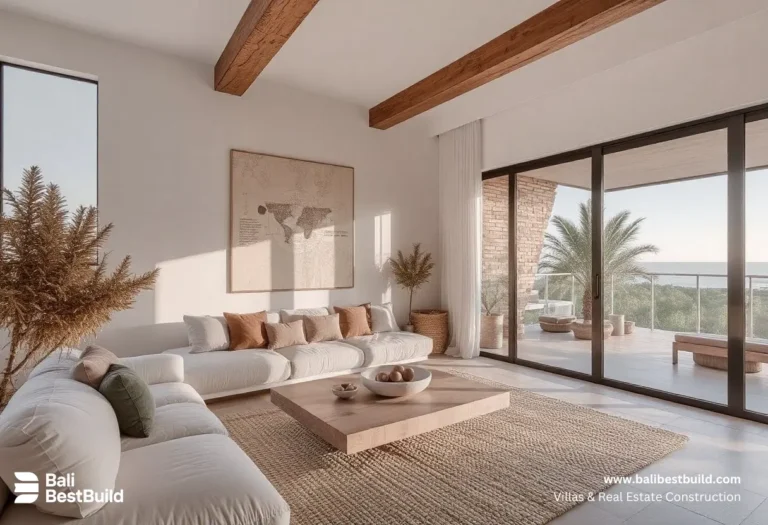
One of the defining features of tropical living is the seamless transition between indoor and outdoor spaces. In tropical climates, outdoor living areas can be used year-round, making it important to design homes that embrace this connection with nature. By blurring the boundaries between indoor and outdoor spaces, designers can create homes that feel open, airy, and connected to the natural environment.
One way to embrace indoor-outdoor living in a tropical home is by incorporating features such as large sliding glass doors, folding walls, and outdoor living rooms. These features can help to create a sense of continuity between indoor and outdoor spaces, allowing residents to enjoy the natural beauty of their surroundings from the comfort of their own home. Additionally, designing outdoor spaces that are sheltered from the elements can help to extend their use throughout the year, providing a comfortable and inviting environment for relaxation and entertainment.
Another important consideration for embracing indoor-outdoor living in a tropical home is to create a seamless flow between interior and exterior finishes. This can include using similar flooring materials inside and outside the home, as well as coordinating color palettes and design elements to create a cohesive look. By blurring the boundaries between indoor and outdoor spaces, designers can create homes that feel open, spacious, and connected to nature, providing a comfortable and inviting living environment for residents.
Designing for Sun Protection and Shade
In tropical climates, intense sunlight can pose challenges for creating comfortable outdoor living spaces. Without adequate sun protection and shade, outdoor areas can become too hot and uncomfortable to use during the day. Designing homes with effective sun protection strategies is essential for creating outdoor spaces that are comfortable and enjoyable year-round.
One effective strategy for providing sun protection in tropical homes is to incorporate features such as overhanging eaves, pergolas, and awnings. These features can help to block direct sunlight and reduce heat gain in outdoor areas, creating a more comfortable environment for relaxation and entertainment. Additionally, using landscaping elements such as trees, shrubs, and vines can help to provide natural shade for outdoor spaces, while also adding beauty and greenery to the home.
Another important consideration for designing sun protection in tropical homes is to select materials that are resistant to UV damage and fading. This can include using UV-resistant fabrics for outdoor furniture and textiles, as well as choosing durable finishes for exterior surfaces. By selecting materials that are well-suited to the intense sunlight of the tropics, designers can create outdoor spaces that are not only comfortable but also durable and long-lasting.
Utilizing Tropical Landscaping and Greenery
Tropical landscaping plays a crucial role in creating a comfortable and inviting outdoor environment for tropical homes. By incorporating lush greenery, vibrant flowers, and native plants into the landscape design, designers can create a beautiful and natural setting that enhances the overall aesthetic of the home.
One important consideration when designing tropical landscaping is to select plants that are well-suited to the local climate and soil conditions. This can include choosing native species that are adapted to high temperatures, humidity, and heavy rainfall, as well as selecting plants that are drought-tolerant and low-maintenance. By choosing plants that are well-suited to the local environment, designers can create a lush and vibrant landscape that thrives in the tropical climate.
In addition to selecting appropriate plant species, it is also important to consider the layout and design of the landscape. By incorporating features such as meandering pathways, secluded garden areas, and water features such as ponds or fountains, designers can create a diverse and dynamic outdoor environment that encourages exploration and relaxation. Additionally, using landscaping elements such as trellises, arbors, and pergolas can help to provide shade and privacy in outdoor spaces while also adding visual interest and architectural detail to the landscape.
Creating a Sustainable and Eco-Friendly Tropical Home
Creating a sustainable and eco-friendly home in a tropical climate is essential for minimizing its impact on the local environment while also reducing energy consumption and operating costs. By incorporating green building practices such as passive solar design, energy-efficient appliances, and renewable energy systems into the design of a tropical home, designers can create a living environment that is both comfortable and environmentally responsible.
One important consideration for creating a sustainable tropical home is to maximize passive solar design principles. This includes orienting the home to take advantage of prevailing winds for natural ventilation, as well as optimizing window placement to maximize daylighting while minimizing heat gain. Additionally, incorporating features such as thermal mass materials, high-performance insulation, and reflective roofing can help to reduce energy consumption for heating and cooling while also improving indoor comfort.
Another important aspect of creating a sustainable tropical home is to select energy-efficient appliances and systems that minimize energy consumption while also reducing operating costs. This can include choosing appliances with high Energy Star ratings, as well as incorporating features such as LED lighting, programmable thermostats, and smart home technology into the design of the home. Additionally, integrating renewable energy systems such as solar panels or wind turbines can help to further reduce energy consumption while also providing a clean and sustainable source of power for the home.
In conclusion, designing a home in a tropical climate requires careful consideration of the unique environmental conditions in order to create a comfortable, energy-efficient living environment. By understanding the characteristics of the tropical climate and incorporating strategies such as natural ventilation, appropriate materials selection, indoor-outdoor living spaces, sun protection, landscaping elements, and sustainable design principles into the design of a tropical home, designers can create living environments that are both comfortable and environmentally responsible. By embracing these strategies in the design process, homeowners can enjoy all the benefits of living in a tropical paradise while also minimizing their impact on the local environment.