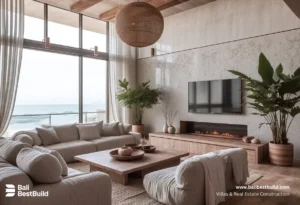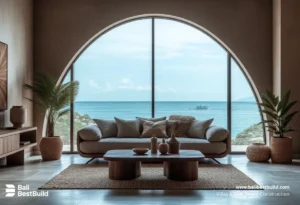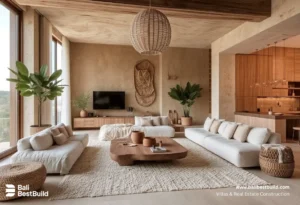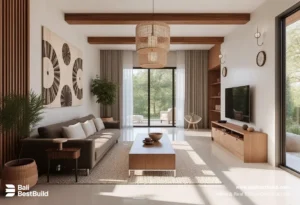
Balinese culture is a rich and vibrant tapestry of traditions, beliefs, and artistic expressions that have been passed down through generations. The island of Bali, located in Indonesia, is known for its unique blend of Hinduism, art, and architecture. The Balinese people are deeply connected to their cultural heritage, and this is reflected in every aspect of their lives, including their design aesthetic. From the intricate carvings on their temples to the colorful textiles used in their traditional clothing, Balinese design is a visual representation of their deep-rooted cultural identity.
The Balinese people are known for their warm hospitality and strong sense of community. This is evident in their traditional architecture, which often features open-air spaces and communal gathering areas. The island’s lush landscape and tropical climate have also influenced the design of Balinese homes, with many featuring natural materials such as bamboo, thatch, and wood. Balinese design is not just about aesthetics; it is a reflection of the island’s spiritual and cultural values, making it a truly unique and captivating art form.
Traditional Balinese Design Elements
Traditional Balinese design is characterized by its intricate carvings, vibrant colors, and use of natural materials. One of the most iconic elements of Balinese design is the use of intricate wood carvings, which can be found on everything from temples to furniture. These carvings often depict scenes from Hindu mythology or nature, and are a testament to the skill and craftsmanship of Balinese artisans. In addition to wood carvings, Balinese design also incorporates vibrant colors, with many buildings and textiles featuring bold hues such as red, yellow, and green. These colors are often used to symbolize different aspects of Balinese culture and spirituality.
Another key element of traditional Balinese design is the use of natural materials such as bamboo, thatch, and stone. These materials are not only abundant on the island, but they also reflect the Balinese people’s deep connection to nature. Balinese architecture often features open-air spaces and flowing lines, creating a seamless connection between the built environment and the natural world. This harmonious blend of natural materials and spiritual symbolism is what sets traditional Balinese design apart and makes it so captivating.
Modern Influences on Balinese Design
In recent years, modern influences have begun to make their mark on Balinese design. As the island has become a popular tourist destination, there has been a growing demand for modern amenities and infrastructure. This has led to a blending of traditional Balinese design with contemporary elements, resulting in a unique fusion of old and new. Modern influences can be seen in the construction of luxury resorts and hotels, which often feature sleek lines, minimalist decor, and state-of-the-art facilities. While these modern developments may seem at odds with traditional Balinese design, they have been integrated in a way that respects and preserves the island’s cultural heritage.
In addition to the influence of tourism, globalization has also played a role in shaping modern Balinese design. The island’s artisans have begun to incorporate new techniques and materials into their work, resulting in a fresh take on traditional crafts. This can be seen in the use of modern machinery alongside traditional hand tools, as well as the incorporation of contemporary motifs into traditional designs. While some may view these changes as a departure from tradition, they are ultimately a reflection of the evolving nature of Balinese culture and design.
Examples of Fusion in Balinese Architecture
The fusion of traditional and modern influences can be seen in many examples of Balinese architecture. One notable example is the design of luxury villas and resorts, which often feature a seamless blend of traditional Balinese elements with modern amenities. These properties may incorporate traditional thatched roofs and open-air pavilions alongside sleek swimming pools and high-end furnishings. The result is a harmonious fusion of old and new, creating a unique architectural style that is distinctly Balinese.
Another example of fusion in Balinese architecture can be seen in the construction of public buildings and infrastructure. While traditional Balinese temples and palaces continue to be built using age-old techniques, modern buildings such as schools and government offices have begun to incorporate contemporary design elements. This can be seen in the use of glass facades, steel structures, and sustainable building practices. While these buildings may look different from their traditional counterparts, they still pay homage to Balinese design principles and cultural values.
Balinese Art and Craftsmanship in Modern Design
Balinese art and craftsmanship have long been revered for their beauty and intricacy. From wood carvings to batik textiles, the island’s artisans have a long history of creating stunning works of art. In recent years, there has been a growing interest in incorporating these traditional art forms into modern design. This can be seen in the use of Balinese wood carvings as decorative elements in contemporary homes, or the incorporation of batik patterns into fashion and interior design.
One example of this fusion can be seen in the use of traditional Balinese textiles in modern fashion. Designers have begun to incorporate batik fabrics into their collections, creating stunning pieces that pay homage to the island’s rich cultural heritage. These modern interpretations of traditional textiles not only showcase the skill and artistry of Balinese craftsmen, but also help to preserve these ancient techniques for future generations.
Balinese Culture in Contemporary Fashion and Textiles
In addition to traditional textiles, Balinese culture has also made its mark on contemporary fashion. The island’s vibrant colors and intricate patterns have inspired designers from around the world, leading to a growing interest in Balinese-inspired fashion. This can be seen in the use of traditional motifs such as ikat and songket in modern clothing, as well as the incorporation of traditional jewelry and accessories into fashion collections.
One example of this can be seen in the work of Indonesian designer Didiet Maulana, who has gained international acclaim for his modern interpretations of traditional Indonesian textiles. His designs often feature bold colors and intricate patterns inspired by Balinese culture, creating a stunning fusion of old and new. By incorporating these traditional elements into contemporary fashion, designers like Maulana are helping to keep Balinese culture alive and relevant in a rapidly changing world.
The Future of Balinese Design: Preserving Tradition in a Modern World
As Balinese design continues to evolve, there is a growing need to preserve the island’s rich cultural heritage. While modern influences have brought new opportunities for innovation and creativity, it is important to ensure that traditional techniques and craftsmanship are not lost in the process. One way this can be achieved is through education and training programs that help to pass down these ancient skills to future generations.
In addition to preserving traditional techniques, there is also a need to protect the natural environment that has long been a source of inspiration for Balinese design. Sustainable practices such as using locally-sourced materials and reducing waste can help to ensure that the island’s natural beauty remains intact for future generations to enjoy.
Ultimately, the future of Balinese design lies in finding a balance between tradition and innovation. By honoring the island’s rich cultural heritage while embracing new ideas and technologies, Balinese design can continue to thrive in a modern world while remaining true to its roots. As long as there is a commitment to preserving tradition and respecting the island’s natural environment, the future of Balinese design looks bright indeed.