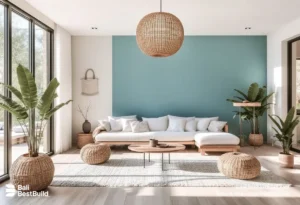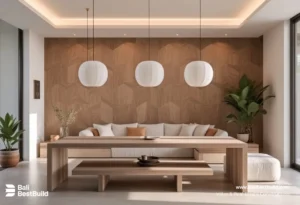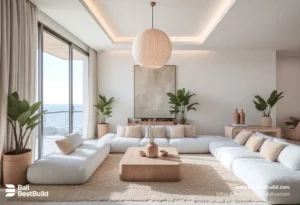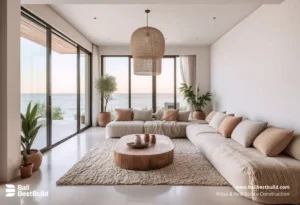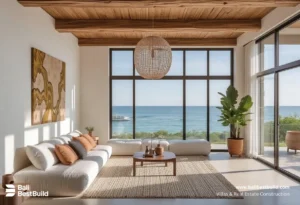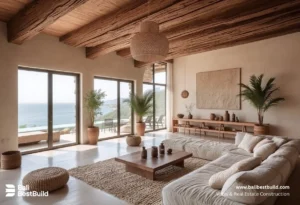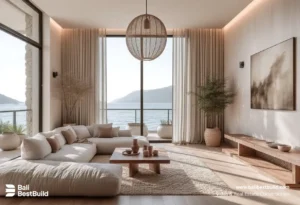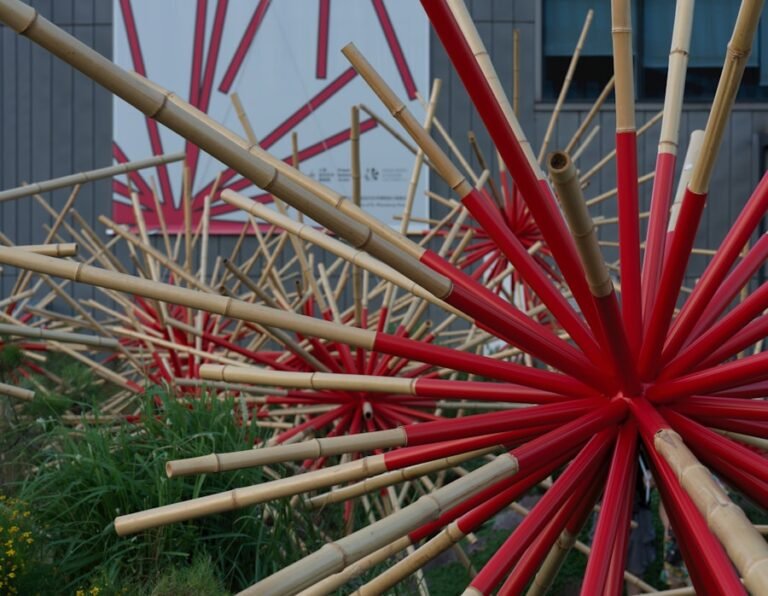
Sustainable design and green architecture have become increasingly important in the modern world as we strive to reduce our impact on the environment. In Bali, this is especially crucial as the island faces challenges related to overdevelopment and environmental degradation. Architects and designers in Bali have been at the forefront of incorporating sustainable design principles into their work, utilizing renewable energy sources, implementing water conservation techniques, and utilizing natural ventilation and lighting to reduce energy consumption. This commitment to sustainability is evident in the use of eco-friendly building materials, such as bamboo, recycled wood, and locally sourced stone, which not only minimize the environmental impact of construction but also contribute to the unique aesthetic of Balinese architecture.
Furthermore, green roofs and living walls are often incorporated into the design of buildings in Bali, not only providing insulation and reducing energy costs but also creating a harmonious integration of nature into the built environment. Additionally, many architects in Bali are exploring innovative approaches to waste management and recycling, ensuring that their designs have a minimal impact on the surrounding ecosystem. Overall, sustainable design and green architecture are not just trends in Bali, but rather fundamental principles that guide the development of the island’s built environment, ensuring that future generations can continue to enjoy its natural beauty.
Integration of Traditional Balinese Elements with Modern Design
One of the defining characteristics of architecture in Bali is the seamless integration of traditional Balinese elements with modern design principles. Balinese architecture is deeply rooted in the island’s rich cultural heritage, with a focus on harmony, balance, and spirituality. This is evident in the use of traditional building techniques, such as the intricate carving of stone and wood, as well as the incorporation of sacred symbols and motifs into the design of buildings. At the same time, modern architects in Bali are adept at blending these traditional elements with contemporary design concepts, creating spaces that are both timeless and innovative.
The result is a built environment that reflects the unique identity of Bali while also embracing the demands of modern living. For example, many contemporary homes and resorts in Bali feature open-air pavilions, known as “bale,” which are inspired by traditional Balinese architecture but are reimagined to accommodate modern amenities and lifestyles. Similarly, traditional Balinese courtyards and gardens are reinterpreted in modern designs to create tranquil and serene outdoor spaces that seamlessly connect with the interior of the building. This integration of traditional Balinese elements with modern design not only pays homage to the island’s cultural heritage but also creates a sense of place that is both authentic and forward-thinking.
Emphasis on Open and Flexible Spaces
In Bali, there is a strong emphasis on open and flexible spaces in architectural design, reflecting the island’s tropical climate and laid-back lifestyle. Open-plan layouts are a common feature in Balinese architecture, allowing for natural ventilation and a seamless flow between indoor and outdoor spaces. This design approach not only maximizes natural light and air circulation but also creates a sense of spaciousness and connection with the surrounding environment. Additionally, many buildings in Bali feature flexible living areas that can be easily adapted to accommodate different activities and functions, reflecting the island’s casual and communal way of life.
The use of sliding glass doors and movable partitions further enhances the flexibility of spaces in Bali, allowing residents to effortlessly transition between different areas of the home or to blur the boundaries between indoor and outdoor living. This emphasis on open and flexible spaces is not only practical but also reflects a deeper cultural value in Bali, where communal living and social interaction are highly valued. Whether it’s a traditional Balinese compound or a modern villa, the design of spaces in Bali is centered around creating environments that are conducive to relaxation, socializing, and connecting with nature.
Use of Local Materials and Artisanal Craftsmanship
The use of local materials and artisanal craftsmanship is a hallmark of architecture in Bali, reflecting a commitment to sustainability, cultural preservation, and supporting local communities. From volcanic stone to teak wood, Bali is rich in natural resources that have been used for centuries in traditional building practices. Today, architects in Bali continue to draw inspiration from these materials, incorporating them into their designs to create buildings that are both environmentally friendly and culturally significant. Moreover, many architects collaborate with local artisans and craftsmen to create bespoke elements for their projects, such as hand-carved doors, intricate ironwork, and custom furniture.
This emphasis on artisanal craftsmanship not only adds a unique touch to each building but also supports local economies and preserves traditional skills that are at risk of being lost. Furthermore, by using locally sourced materials, architects in Bali are able to reduce the environmental impact of construction by minimizing transportation costs and supporting sustainable harvesting practices. The result is a built environment that is deeply rooted in the cultural heritage of Bali while also contributing to the economic well-being of local communities.
Incorporation of Smart Technology and Innovative Building Materials
While traditional materials and craftsmanship play a significant role in Balinese architecture, there is also a growing trend towards incorporating smart technology and innovative building materials into designs. From solar panels to rainwater harvesting systems, architects in Bali are exploring ways to integrate sustainable technologies into their projects without compromising the island’s cultural identity. For example, many modern homes in Bali feature energy-efficient lighting systems, smart home automation, and passive cooling techniques that reduce reliance on artificial heating and cooling.
In addition to smart technology, architects in Bali are also experimenting with innovative building materials that offer improved performance and sustainability. This includes the use of recycled materials, such as reclaimed wood and metal, as well as advanced composites that offer superior strength and durability. By embracing these new technologies and materials, architects in Bali are able to create buildings that are not only environmentally friendly but also resilient to the challenges posed by climate change and urbanization.
Blurring the Lines Between Indoor and Outdoor Living
One of the defining features of architecture in Bali is the seamless integration of indoor and outdoor living spaces. This blurring of boundaries reflects the island’s tropical climate and cultural emphasis on connecting with nature. From traditional Balinese compounds to modern villas, buildings in Bali are designed to maximize views of the surrounding landscape while providing shelter from the elements. This is achieved through the use of open-air pavilions, expansive verandas, and courtyards that create a sense of continuity between interior and exterior spaces.
Moreover, many homes in Bali feature lush gardens, water features, and natural materials that further enhance the connection with nature. This blurring of the lines between indoor and outdoor living not only creates a sense of harmony with the environment but also promotes a relaxed and informal way of life that is characteristic of Balinese culture. Whether it’s enjoying a meal al fresco or practicing yoga in a tranquil garden setting, the design of spaces in Bali encourages residents to embrace the beauty of their surroundings and live in harmony with nature.
Focus on Community and Social Spaces
Architecture in Bali places a strong emphasis on community and social spaces, reflecting the island’s communal way of life and strong sense of belonging. Traditional Balinese compounds are designed around a central courtyard where family members gather for meals, ceremonies, and socializing. This communal ethos is also evident in modern designs, where architects prioritize creating spaces that foster interaction and connection among residents. From shared pavilions to communal gardens, buildings in Bali are designed to encourage social engagement and a sense of community.
Furthermore, many architects in Bali are exploring innovative approaches to urban planning that prioritize public spaces and pedestrian-friendly environments. This includes designing walkable neighborhoods with ample green spaces, public plazas, and community facilities that promote social interaction and well-being. By focusing on community and social spaces, architects in Bali are not only creating environments that support healthy lifestyles but also nurturing a sense of belonging and unity among residents. This commitment to community-centric design reflects a deeper cultural value in Bali where relationships and social connections are highly valued.