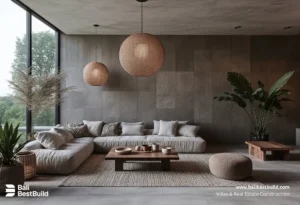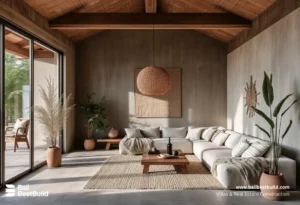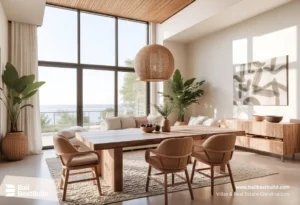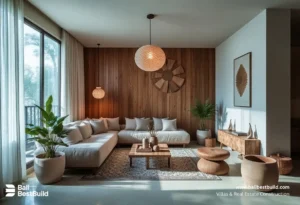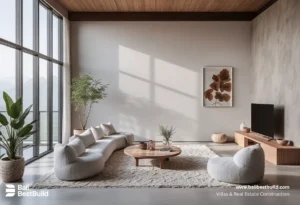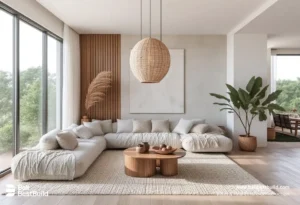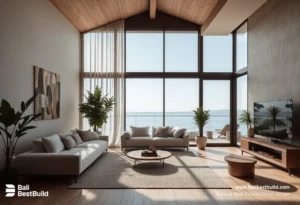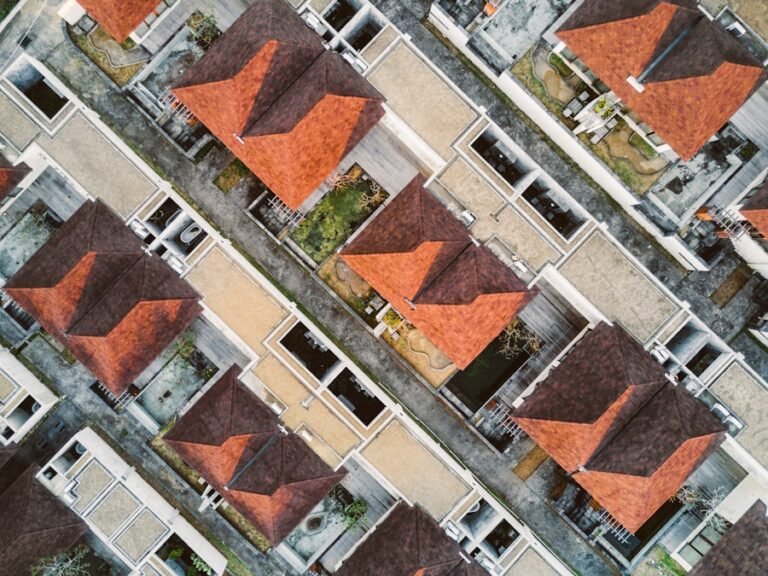
Bali-inspired property design has gained popularity in recent years, as more and more people seek to bring the tranquility and beauty of the Indonesian island into their homes. This design style is characterized by its use of natural materials, traditional Balinese architecture, and a focus on sustainability and eco-friendly practices. Bali-inspired properties often feature open-air spaces, lush gardens, and a seamless integration of indoor and outdoor living. The design aesthetic is rooted in the island’s rich cultural heritage, with an emphasis on craftsmanship, art, and a deep connection to nature.
The Importance of Local Materials in Bali-Inspired Design
One of the key elements of Bali-inspired property design is the use of local materials. Balinese architecture often incorporates natural materials such as bamboo, teak wood, stone, and thatch. These materials not only lend a sense of authenticity to the design, but they also have practical benefits. For example, bamboo is a sustainable and fast-growing material that is commonly used for flooring, furniture, and decorative elements in Bali-inspired properties. Teak wood is another popular choice for furniture and architectural details, as it is durable and resistant to termites. By using local materials, designers can create a sense of harmony between the property and its natural surroundings, while also supporting local artisans and sustainable practices.
In addition to using local materials, Bali-inspired design often emphasizes the importance of craftsmanship and attention to detail. Balinese artisans are known for their skill in woodworking, stone carving, and traditional crafts such as batik and ikat weaving. By incorporating these handmade elements into the design of a property, homeowners can add a sense of warmth and character to their space. Whether it’s a hand-carved wooden door, a intricately woven textile, or a stone sculpture, these artisanal touches can elevate the overall aesthetic of a Bali-inspired property and create a connection to the island’s rich cultural heritage.
Utilizing Natural Elements in Bali-Inspired Property Design
Another key aspect of Bali-inspired property design is the use of natural elements to create a sense of harmony and tranquility. Balinese architecture often features open-air spaces, such as courtyards, verandas, and pavilions, that allow for a seamless flow between indoor and outdoor living. This design approach not only maximizes natural light and ventilation, but it also creates a connection to the surrounding landscape. Lush gardens, water features, and tropical plants are often incorporated into the design to enhance the feeling of being immersed in nature.
In addition to incorporating natural elements into the architecture of a property, Bali-inspired design often emphasizes the use of natural materials for interior finishes and furnishings. For example, stone or wood flooring, rattan furniture, and woven textiles can all contribute to a sense of warmth and authenticity in a Bali-inspired space. By bringing the outdoors in, homeowners can create a serene and inviting environment that reflects the natural beauty of Bali.
Incorporating Traditional Balinese Architecture in Property Design
Traditional Balinese architecture is characterized by its use of open-air spaces, intricate carvings, and steeply pitched roofs. These architectural elements are often incorporated into Bali-inspired property design to create a sense of authenticity and cultural richness. For example, many Bali-inspired properties feature open-sided pavilions known as “bale” that are used for dining, lounging, or meditation. These pavilions are typically adorned with ornate carvings and thatched roofs, creating a sense of elegance and tradition.
Another key feature of traditional Balinese architecture is the use of courtyards and water features to create a sense of tranquility and balance. Courtyards are often surrounded by low walls or ornate gates, creating a sense of privacy and seclusion. Water features such as ponds or fountains are commonly used to add a soothing element to the design, while also reflecting the importance of water in Balinese culture. By incorporating these traditional architectural elements into a property design, homeowners can create a sense of timelessness and cultural richness that is characteristic of Bali.
Balinese Art and Craftsmanship in Property Design
Balinese art and craftsmanship play a central role in Bali-inspired property design, adding a sense of beauty and cultural richness to the space. Balinese artisans are known for their skill in woodworking, stone carving, painting, and traditional crafts such as batik and ikat weaving. By incorporating these handmade elements into the design of a property, homeowners can add a sense of warmth and character to their space.
One of the most iconic forms of Balinese art is wood carving, which is often used to create intricate doors, window shutters, and decorative panels in Bali-inspired properties. These carvings often depict scenes from Hindu mythology or nature motifs such as flowers and animals, adding a sense of storytelling and symbolism to the design. In addition to wood carving, Balinese artisans are also skilled in stone carving, creating beautiful sculptures and architectural details that can be used to enhance the overall aesthetic of a property.
Sustainability and Eco-Friendly Practices in Bali-Inspired Property Design
Sustainability and eco-friendly practices are central to Bali-inspired property design, reflecting the island’s deep connection to nature and its commitment to preserving the environment. Many Bali-inspired properties incorporate sustainable building practices such as using locally-sourced materials, implementing energy-efficient systems, and minimizing waste during construction. For example, bamboo is a commonly used material in Bali-inspired design due to its fast growth rate and minimal environmental impact.
In addition to sustainable building practices, many Bali-inspired properties also incorporate eco-friendly features such as rainwater harvesting systems, solar panels, and natural ventilation to reduce energy consumption. By embracing these sustainable practices, homeowners can create a property that not only reflects the beauty of Bali’s natural environment but also minimizes its impact on the planet.
Tips for Embracing Bali-Inspired Property Design in Your Home
If you’re interested in embracing Bali-inspired property design in your own home, there are several key elements to consider. First, focus on using natural materials such as bamboo, teak wood, stone, and thatch to create an authentic and sustainable aesthetic. Incorporate traditional Balinese architectural elements such as open-air pavilions, courtyards, and water features to create a sense of tranquility and balance.
Incorporate Balinese art and craftsmanship into your design by adding hand-carved wood or stone elements, woven textiles, or traditional paintings to add warmth and character to your space. Finally, embrace sustainability by implementing eco-friendly practices such as using locally-sourced materials, energy-efficient systems, and minimizing waste during construction. By following these tips, you can create a Bali-inspired property that reflects the beauty and cultural richness of the Indonesian island while also embracing sustainable living practices.