Bali, known for its stunning beaches, lush rice terraces, and vibrant culture, has also become a hub for eco-friendly living in recent years. With a growing awareness of the impact of human activity on the environment, many individuals and businesses in Bali have embraced sustainable living practices. This shift towards eco-friendly living can be seen in various aspects of daily life, from the construction of eco-friendly homes and buildings to the use of renewable energy sources and the promotion of sustainable tourism. As more people become conscious of their environmental footprint, the demand for eco-friendly products and services has increased, leading to a thriving eco-friendly industry in Bali.
The rise of eco-friendly living in Bali can be attributed to a combination of factors, including the global movement towards sustainability, the island’s natural beauty and biodiversity, and the efforts of local communities and organizations to promote environmental conservation. As a popular tourist destination, Bali has also been influenced by the growing interest in sustainable travel and ecotourism. Many hotels, resorts, and villas in Bali have adopted eco-friendly practices, such as using solar power, rainwater harvesting, and organic farming. Additionally, the local government has implemented policies to encourage sustainable development and reduce carbon emissions. With a strong emphasis on preserving the island’s natural resources and cultural heritage, Bali has become a model for eco-friendly living in Southeast Asia.
Sustainable Building Practices in Bali
One of the key components of eco-friendly living in Bali is sustainable building practices. As the demand for eco-friendly homes and buildings continues to grow, architects and builders in Bali have been incorporating sustainable design principles into their projects. Sustainable building practices in Bali focus on minimizing the environmental impact of construction, reducing energy consumption, and utilizing renewable materials. This includes using locally-sourced materials, such as bamboo, recycled wood, and natural stone, as well as implementing energy-efficient systems for heating, cooling, and lighting. In addition, many eco-friendly buildings in Bali are designed to blend seamlessly with the natural landscape, incorporating green roofs, living walls, and open-air spaces to promote natural ventilation and cooling.
The beauty of sustainable architecture in Bali lies in its harmonious integration with the surrounding environment. By using natural materials and traditional building techniques, eco-friendly homes and buildings in Bali exude a sense of warmth and tranquility. The use of sustainable building practices also contributes to the preservation of Bali’s cultural heritage, as many traditional Balinese architectural elements are incorporated into modern eco-friendly designs. From the iconic thatched roofs of Balinese pavilions to the intricate carvings and ornate doorways, sustainable buildings in Bali showcase the timeless beauty of traditional craftsmanship while embracing modern sustainability principles.
The Beauty of Eco-Friendly Architecture
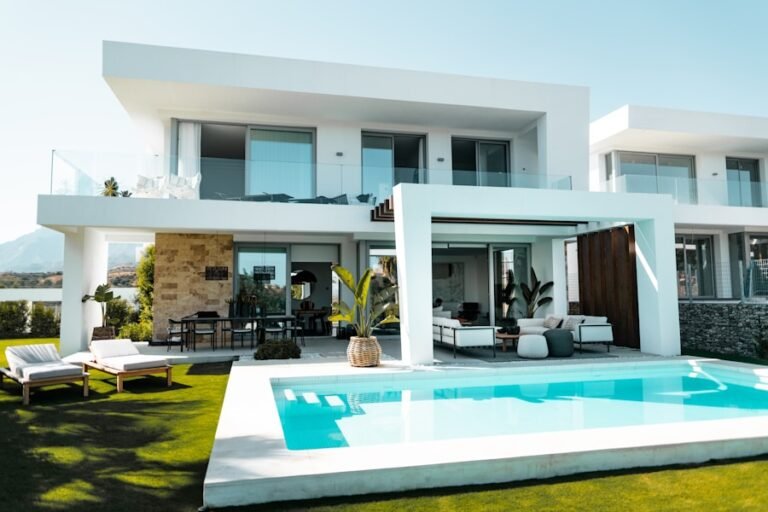
Eco-friendly architecture in Bali is not only environmentally sustainable but also aesthetically pleasing. The beauty of eco-friendly architecture lies in its ability to seamlessly blend with the natural surroundings while providing a comfortable and functional living space. From open-air pavilions with sweeping views of the rice terraces to modern villas nestled amidst lush tropical gardens, eco-friendly architecture in Bali celebrates the island’s natural beauty and cultural heritage. The use of natural materials such as bamboo, recycled wood, and stone creates a sense of warmth and authenticity, while innovative design features such as green roofs and passive cooling systems enhance the overall aesthetic appeal of eco-friendly buildings.
In addition to its visual appeal, eco-friendly architecture in Bali also promotes a sense of well-being and connection to nature. Many sustainable homes and buildings in Bali are designed to maximize natural light and ventilation, creating a healthy and comfortable living environment. The integration of outdoor spaces, such as gardens, courtyards, and terraces, further enhances the connection between indoor and outdoor living, allowing residents to fully appreciate the beauty of Bali’s natural landscape. Whether it’s a traditional Balinese compound or a modern eco-villa, the beauty of eco-friendly architecture in Bali lies in its ability to create a harmonious living environment that respects both nature and culture.
Incorporating Nature into Sustainable Design
One of the defining features of eco-friendly architecture in Bali is its seamless integration with nature. Sustainable design principles emphasize the importance of preserving and enhancing the natural environment, which is reflected in the layout and features of eco-friendly homes and buildings in Bali. From incorporating natural elements such as water features, gardens, and indigenous plants to designing open-air spaces that allow for unobstructed views of the surrounding landscape, sustainable design in Bali celebrates the beauty of nature while minimizing its impact on the environment. By blurring the boundaries between indoor and outdoor spaces, eco-friendly architecture in Bali creates a sense of harmony and tranquility that is deeply rooted in the island’s natural surroundings.
Incorporating nature into sustainable design also extends beyond aesthetics, as it plays a crucial role in promoting environmental conservation and biodiversity. Many eco-friendly homes and buildings in Bali are designed to minimize disruption to the natural ecosystem, preserving existing trees and vegetation while creating habitats for local wildlife. By prioritizing green spaces and natural features, sustainable design in Bali contributes to the overall health and resilience of the environment. In doing so, eco-friendly architecture not only provides a beautiful and functional living space but also fosters a deeper appreciation for the natural world.
Eco-Friendly Materials and Construction Techniques
The use of eco-friendly materials and construction techniques is a fundamental aspect of sustainable building practices in Bali. From traditional Balinese architecture to modern eco-villas, sustainable buildings in Bali are constructed using locally-sourced materials that are renewable, biodegradable, and low-impact. Bamboo, a versatile and fast-growing material, is widely used in eco-friendly construction for its strength, flexibility, and sustainability. Recycled wood from old buildings or fallen trees is another popular choice for sustainable building projects in Bali, as it reduces the demand for new timber while adding character and history to the structure. Natural stone quarried from local sources is also commonly used for its durability and aesthetic appeal.
In addition to using eco-friendly materials, sustainable construction techniques play a crucial role in minimizing the environmental impact of building projects in Bali. Many builders employ traditional Balinese construction methods that have been passed down through generations, such as handcrafted brickwork, thatched roofing, and intricate carvings. These techniques not only showcase the artistry and craftsmanship of Balinese culture but also contribute to the overall sustainability of the building process. Furthermore, innovative construction methods such as earthbag building, which utilizes bags filled with locally-sourced soil or sand, have gained popularity for their low cost, energy efficiency, and minimal environmental impact. By prioritizing eco-friendly materials and construction techniques, sustainable building practices in Bali demonstrate a commitment to environmental stewardship and cultural preservation.
The Impact of Eco-Friendly Living on the Environment
The rise of eco-friendly living in Bali has had a positive impact on the environment by promoting sustainability, reducing carbon emissions, and preserving natural resources. By embracing eco-friendly practices such as sustainable building, renewable energy use, waste reduction, and organic farming, individuals and businesses in Bali have contributed to a healthier and more resilient environment. Sustainable buildings in Bali are designed to minimize energy consumption through passive cooling systems, solar panels, and energy-efficient appliances, leading to reduced carbon emissions and lower energy costs. Additionally, many eco-friendly homes and businesses in Bali prioritize water conservation through rainwater harvesting systems, greywater recycling, and water-efficient fixtures.
In addition to reducing their environmental footprint through sustainable building practices, many individuals in Bali have adopted eco-friendly lifestyle choices such as using reusable products, composting organic waste, supporting local farmers markets, and practicing responsible tourism. These efforts contribute to a more sustainable way of life that respects the natural environment and supports local communities. Furthermore, the promotion of eco-friendly living in Bali has raised awareness about environmental issues and inspired others to make positive changes in their own lives. By embracing sustainable living practices, individuals and businesses in Bali are making a tangible difference in protecting the island’s natural beauty for future generations.
Embracing Sustainable Living in Bali: A Call to Action
As the global movement towards sustainability continues to gain momentum, embracing sustainable living in Bali has become more important than ever. With its unique blend of natural beauty, cultural heritage, and vibrant community spirit, Bali has the potential to be a leader in eco-friendly living within Southeast Asia. By promoting sustainable building practices, renewable energy use, waste reduction, organic farming, and responsible tourism, individuals and businesses in Bali can contribute to a more resilient environment while preserving the island’s unique identity.
There are many ways that individuals can embrace sustainable living in Bali on a daily basis. This includes supporting local businesses that prioritize sustainability, reducing single-use plastics by using reusable products, conserving water through mindful consumption habits, participating in community clean-up efforts, and advocating for environmentally friendly policies at both local and national levels. Additionally, individuals can educate themselves about environmental issues and seek out opportunities to make positive changes within their own communities.
In conclusion, embracing sustainable living in Bali is not only beneficial for the environment but also for the well-being of its residents and visitors. By prioritizing sustainability in all aspects of daily life – from construction practices to lifestyle choices – individuals can contribute to a healthier planet while preserving the unique beauty of Bali for future generations. As a global community united by a shared commitment to environmental stewardship, embracing sustainable living in Bali is not just a choice – it’s a call to action for a brighter future.