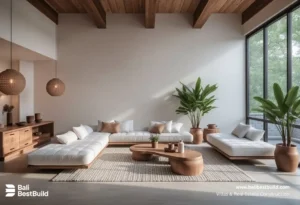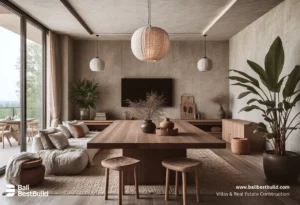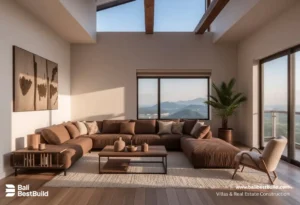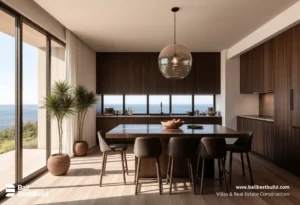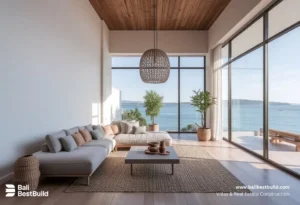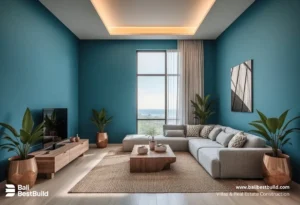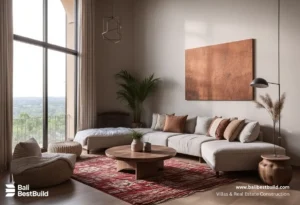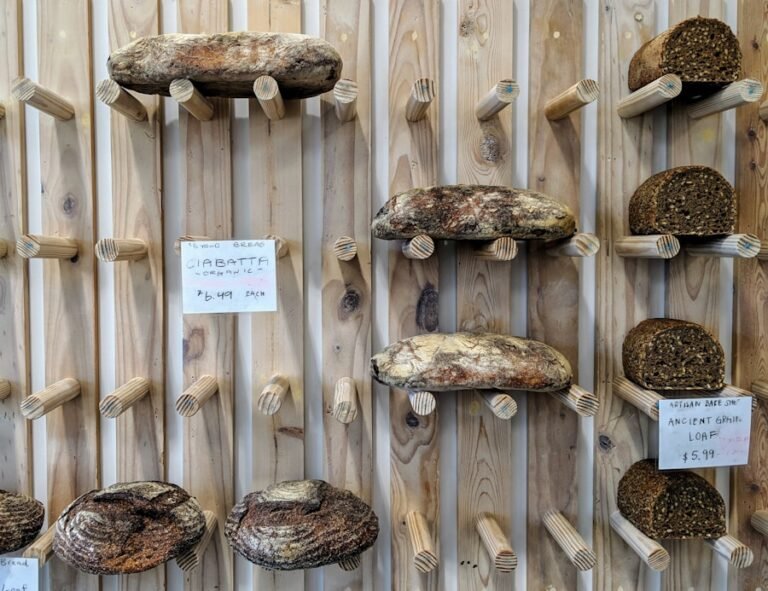
Functional design is crucial in Bali’s commercial spaces as it directly impacts the efficiency and productivity of businesses. In a competitive market, businesses need to ensure that their spaces are designed in a way that maximizes functionality and usability. This includes the layout of the space, the placement of furniture and equipment, and the overall flow of the space. A well-designed commercial space can improve employee morale, customer satisfaction, and ultimately, the bottom line of the business. In Bali, where tourism and hospitality industries are thriving, functional design is especially important in hotels, restaurants, and retail spaces. These businesses need to create spaces that not only look aesthetically pleasing but also function seamlessly to provide a positive experience for their guests and customers.
Furthermore, functional design in Bali’s commercial spaces can also contribute to the overall well-being of the community. By creating spaces that are efficient and user-friendly, businesses can reduce waste, energy consumption, and environmental impact. This can lead to a more sustainable and eco-friendly approach to commercial design, which is increasingly important in today’s global climate crisis. Overall, functional design in Bali’s commercial spaces is essential for the success of businesses, the satisfaction of customers, and the well-being of the community.
Incorporating Balinese Culture into Functional Design
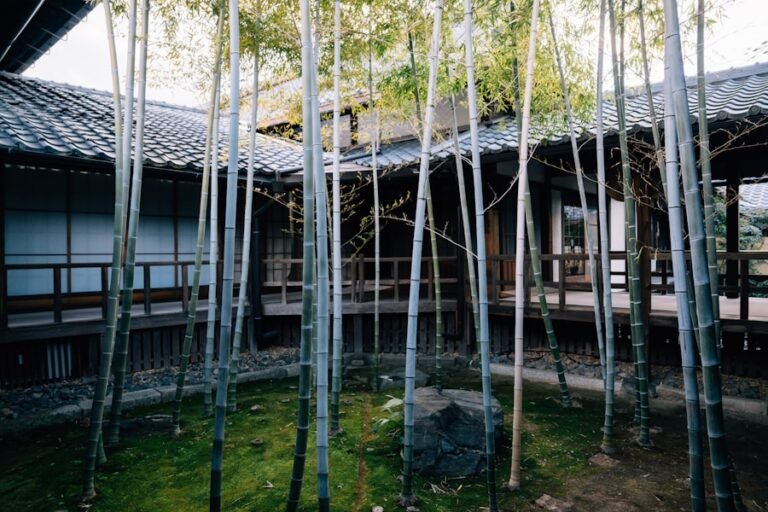
In Bali, it is important to incorporate Balinese culture into functional design in commercial spaces. Balinese culture is rich in tradition, art, and spirituality, and it plays a significant role in the daily lives of the people on the island. By integrating elements of Balinese culture into commercial design, businesses can create a unique and authentic experience for their customers. This can include using traditional Balinese materials such as bamboo, wood, and stone in the construction of the space, as well as incorporating Balinese art and motifs into the interior design. By doing so, businesses can create a sense of place and connection to the local culture, which can be appealing to both tourists and locals alike.
Moreover, incorporating Balinese culture into functional design can also help businesses differentiate themselves in a crowded market. With so many commercial spaces in Bali catering to tourists, it is important for businesses to stand out and offer something truly unique. By embracing Balinese culture in their design, businesses can create a memorable and authentic experience for their customers, which can lead to repeat business and positive word-of-mouth. Overall, incorporating Balinese culture into functional design in commercial spaces is not only a way to honor the local traditions but also a strategic business decision that can set businesses apart from their competitors.
Maximizing Space and Efficiency in Bali’s Commercial Spaces
Maximizing space and efficiency is crucial in Bali’s commercial spaces, where real estate can be limited and expensive. Businesses need to make the most out of their available space to ensure that they can operate efficiently and effectively. This includes careful planning of the layout, storage solutions, and multi-functional use of space. In Bali’s hospitality industry, for example, hotels and resorts need to carefully plan their room layouts to maximize space while still providing a comfortable and luxurious experience for their guests. Similarly, restaurants and retail spaces need to optimize their floor plans to accommodate as many customers as possible without feeling overcrowded.
Efficiency is also important in Bali’s commercial spaces to ensure that businesses can operate smoothly and effectively. This includes optimizing workflows, minimizing waste, and streamlining processes. For example, in a restaurant setting, efficient kitchen design can significantly impact the speed and quality of service. By carefully planning the layout of the kitchen, businesses can reduce wait times for customers and improve overall satisfaction. In retail spaces, efficient design can also impact inventory management and customer flow, leading to increased sales and customer satisfaction. Overall, maximizing space and efficiency in Bali’s commercial spaces is essential for businesses to operate successfully in a competitive market.
Balancing Aesthetics and Functionality in Commercial Design
Balancing aesthetics and functionality is a key consideration in commercial design in Bali. While it is important for businesses to create visually appealing spaces that attract customers and guests, it is equally important for these spaces to be functional and practical. Aesthetically pleasing design can create a positive first impression and contribute to the overall ambiance of the space. In Bali’s hospitality industry, for example, hotels and resorts often focus on creating beautiful and serene environments that reflect the natural beauty of the island. This can include lush landscaping, open-air designs, and traditional Balinese architecture that create a sense of tranquility and relaxation for guests.
However, it is also important for businesses to ensure that their spaces are functional and practical for both employees and customers. This includes considerations such as comfortable seating, easy navigation, and efficient use of space. In retail spaces, for example, businesses need to carefully plan their displays and shelving to showcase products while still allowing for easy browsing and movement for customers. Similarly, in office spaces, businesses need to create work environments that are both visually appealing and conducive to productivity. By balancing aesthetics and functionality in commercial design, businesses in Bali can create spaces that are not only beautiful but also practical and efficient.
Sustainable and Eco-Friendly Design Practices in Bali’s Commercial Spaces
Sustainable and eco-friendly design practices are increasingly important in Bali’s commercial spaces as businesses seek to minimize their environmental impact and contribute to a more sustainable future. With the growing awareness of climate change and environmental degradation, businesses are under pressure to adopt more sustainable practices in their operations, including their physical spaces. This includes using environmentally friendly materials in construction and interior design, implementing energy-efficient systems, and reducing waste through thoughtful design.
In Bali’s hospitality industry, sustainable design practices can include using locally sourced materials such as bamboo and recycled wood in construction, as well as implementing energy-saving technologies such as solar panels and LED lighting. In retail spaces, businesses can reduce waste by using recycled or upcycled materials for displays and packaging, as well as implementing recycling programs for customers. By adopting sustainable and eco-friendly design practices, businesses in Bali can not only reduce their environmental impact but also appeal to environmentally conscious consumers who are increasingly seeking out sustainable businesses.
The Role of Technology in Enhancing Functional Design in Bali
Technology plays a significant role in enhancing functional design in Bali’s commercial spaces by providing innovative solutions to improve efficiency and user experience. In today’s digital age, businesses are increasingly relying on technology to streamline operations, enhance customer interactions, and improve overall functionality. In Bali’s hospitality industry, for example, hotels are implementing smart room technologies that allow guests to control room settings such as lighting and temperature through mobile apps. This not only provides convenience for guests but also allows hotels to optimize energy usage.
In retail spaces, technology is also being used to enhance functionality through features such as self-checkout kiosks, digital signage, and virtual reality fitting rooms. These technologies not only improve efficiency by reducing wait times but also provide a more interactive and engaging experience for customers. In office spaces, technology is being used to create smart work environments that optimize productivity through features such as automated lighting systems, integrated communication platforms, and ergonomic workstations. Overall, technology plays a crucial role in enhancing functional design in Bali’s commercial spaces by providing innovative solutions that improve efficiency, user experience, and overall functionality.
Case Studies: Successful Implementation of Functional Design in Bali’s Commercial Spaces
Several case studies demonstrate successful implementation of functional design in Bali’s commercial spaces across various industries. One notable example is the Potato Head Beach Club in Seminyak, which has gained international acclaim for its innovative design that seamlessly integrates functionality with aesthetics. The beach club features open-air architecture that maximizes natural ventilation while providing stunning ocean views for guests. The use of locally sourced materials such as reclaimed wood and traditional Balinese craftsmanship not only adds to the aesthetic appeal but also reflects the club’s commitment to sustainability.
Another successful case study is the Alila Villas Uluwatu resort, which has been praised for its thoughtful integration of Balinese culture into its functional design. The resort features contemporary architecture that blends seamlessly with traditional Balinese elements such as open-air pavilions and infinity pools that overlook the Indian Ocean. The use of sustainable materials such as bamboo and recycled wood further enhances the resort’s commitment to eco-friendly design practices. These case studies demonstrate how functional design can be successfully implemented in Bali’s commercial spaces while incorporating local culture and sustainability principles.
In conclusion, functional design plays a crucial role in Bali’s commercial spaces by impacting efficiency, productivity, customer satisfaction, and environmental impact. By incorporating Balinese culture into functional design, businesses can create unique experiences that set them apart from competitors while honoring local traditions. Maximizing space and efficiency is essential for businesses to operate successfully in a competitive market with limited real estate. Balancing aesthetics with functionality ensures that commercial spaces are visually appealing while still being practical for employees and customers. Sustainable design practices are increasingly important as businesses seek to minimize their environmental impact while appealing to environmentally conscious consumers. Technology plays a significant role in enhancing functional design by providing innovative solutions that improve efficiency and user experience. Successful case studies demonstrate how functional design can be seamlessly integrated with aesthetics, local culture, sustainability principles across various industries in Bali’s commercial spaces.